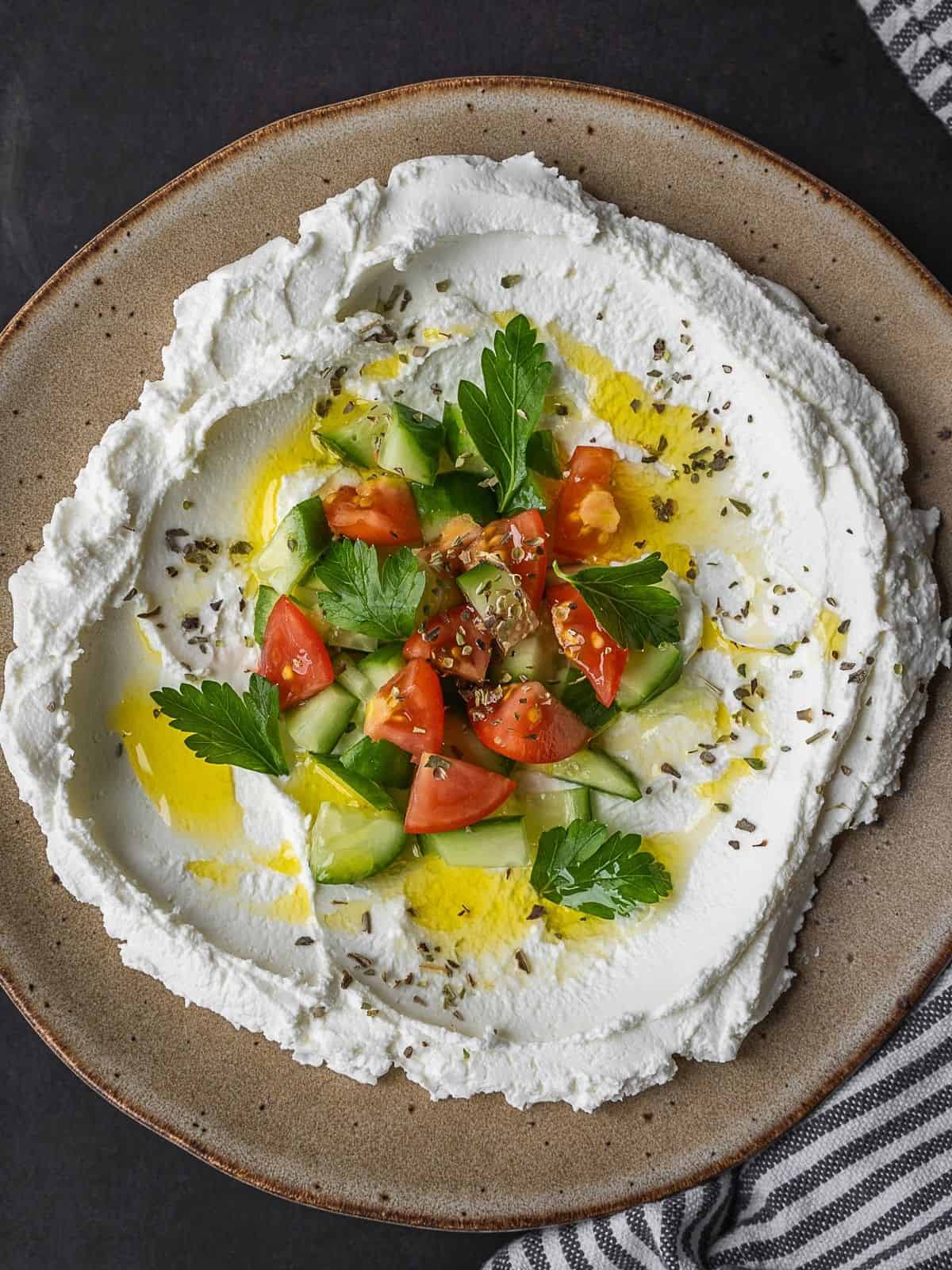
Authentic Labneh: The Simple Secret to This Middle Eastern Spread
Imagine transforming humble yogurt into a luxurious, tangy, and incredibly versatile spread with minimal effort. This isn't a culinary fantasy; it's the delightful reality of labneh. Often hailed as the "Middle Eastern cream cheese," labneh is a staple across the Levant, cherished for its smooth texture and distinctive bright flavor. If you've ever wondered
how to make labneh at home, prepare to be amazed by its straightforward process and the endless culinary possibilities it unlocks. Forget complicated cheesemaking; this is the epitome of culinary simplicity, yielding a gourmet result that will impress.
What Exactly is Labneh? Unpacking the Middle Eastern Delight
Labneh, sometimes spelled labaneh or labne, is a strained whole-milk yogurt spread deeply embedded in the culinary traditions of the Levant region, encompassing Palestine, Lebanon, Syria, and Jordan. Its name derives from the Arabic word "laban," meaning yogurt, underscoring its humble origins. While many consider it a soft cheese due to its thick, spreadable consistency, it's essentially a concentrated form of yogurt, achieved by draining away its whey.
The beauty of labneh lies in its unique profile. It boasts a rich, creamy texture reminiscent of whipped cream cheese but with a distinctive tangy edge that sets it apart. This tangy zest makes it incredibly refreshing and a perfect counterpoint to many savory dishes. Culturally, labneh is a cornerstone of the mezze platter, a selection of small dishes served as appetizers, and an indispensable component of a traditional Levantine breakfast table. It’s often enjoyed alongside warm pita bread, Taboon flatbread, or Jerusalem bagels (Kaak), frequently adorned with fresh cucumbers, blistered tomatoes, and a generous drizzle of olive oil and a sprinkle of za’atar.
Beyond its delectable taste, labneh carries significant nutritional benefits, inheriting the goodness of its yogurt base. As Erin Coffield, RDN, LDN, a food and nutrition expert at National Dairy Council, highlights, labneh provides essential protein, calcium, vitamins, and minerals, making it a delicious and healthy addition to your diet. It’s a wonderful way to enjoy the probiotic benefits of yogurt in a more decadent, spreadable form.
The Simple Secret: How to Make Labneh at Home
The true magic of labneh is its effortless creation. You might associate homemade cheese with intricate processes, but making labneh requires little more than yogurt, salt, and patience. The "secret" is truly in its simplicity. Let's dive into the incredibly easy process to master
how to make labneh right in your own kitchen.
Gathering Your Simple Ingredients
You'll be delighted by how few ingredients are required to create this creamy wonder:
- 1 (32-ounce) container of whole cow’s milk yogurt or Greek yogurt: Whole milk yogurt is crucial here. The higher fat content yields a richer, creamier labneh with a better yield. While regular whole milk yogurt works beautifully, Greek yogurt can speed up the straining process slightly due to its already thicker consistency.
- 1/2 teaspoon salt: This isn't just for flavor; salt also plays a vital role in drawing out the excess whey, resulting in a thicker, more luscious final product.
- 1 tablespoon olive oil (optional): For serving, to add richness and sheen.
- 1-2 teaspoons za’atar seasoning (optional): A classic Middle Eastern spice blend that includes dried thyme, sumac, and sesame seeds. It perfectly complements labneh. If you don't have za'atar, Everything Bagel spice offers a similar textural and savory profile.
Essential Equipment You'll Need
You won't require any specialized cheesemaking tools, just a few common kitchen items:
- 2 (12″ x 12″) squares of cheesecloth: This is ideal for allowing the whey to drain while retaining the yogurt solids. If cheesecloth isn't available, a clean, tightly woven linen kitchen towel or even a large coffee filter can work in a pinch.
- A fine-mesh strainer or sieve: To hold the cheesecloth and yogurt.
- A medium-sized bowl: Placed underneath the strainer to collect the dripping whey.
- A large mixing bowl: For seasoning the yogurt.
- An airtight container: For storing your finished labneh.
Step-by-Step Guide to Making Labneh
Ready to turn that yogurt into liquid gold? Here's your foolproof guide:
Step 1: Season the Yogurt
Begin by spooning your whole milk yogurt (or Greek yogurt) into a large mixing bowl. Add the 1/2 teaspoon of salt and stir it thoroughly until well combined. While you *can* strain plain yogurt, salting it beforehand significantly enhances the flavor of the labneh and helps expedite the whey extraction process, contributing to a creamier, thicker consistency.
Step 2: Strain Out the Whey
This is where the magic truly happens. Place your fine-mesh strainer over a medium-sized bowl, ensuring there's enough space between the bottom of the strainer and the bowl for the whey to collect without touching the yogurt. Carefully line the strainer with the cheesecloth, allowing a few inches to hang over the sides.
Gently spoon the seasoned yogurt into the center of the cheesecloth. Once all the yogurt is in, gather the overhanging sides of the cheesecloth and gently wrap them over the top of the yogurt. This protects the yogurt from exposure to air and potential odors in the refrigerator.
Place the entire setup in your refrigerator and let it strain for 24 to 48 hours. The longer you strain it, the thicker your labneh will become. For a soft, spreadable consistency similar to cream cheese, 24 hours is usually sufficient. For a firmer, almost sliceable labneh, aim for 36-48 hours. Remember to discard the collected whey halfway through the process if your bowl becomes too full.
Step 3: Eat Up! Your Homemade Labneh Awaits
Congratulations! You've successfully pulled off one of the easiest and most rewarding homemade cheese recipes. Carefully remove the labneh from the cheesecloth. It will have shrunk significantly and transformed into a wonderfully dense, creamy mass.
Transfer your freshly made labneh into an airtight container. It will keep well in the refrigerator for about a week. The most classic way to serve your labneh immediately is to press a small indent in the center, drizzle it generously with good quality olive oil, and sprinkle with za’atar seasoning. For more detailed insights on transforming simple yogurt into this culinary delight, check out our guide on
Homemade Labneh: Your Easiest Guide to Delicious Yogurt Cheese.
Unleash the Versatility: Creative Ways to Enjoy Your Homemade Labneh
Once you've mastered
how to make labneh, a world of culinary possibilities opens up. Its tangy, creamy profile makes it incredibly adaptable, suitable for everything from breakfast to dessert.
Here are just a few ideas to inspire you:
- Breakfast Booster: Spread it thickly on whole-grain toast, bagels, or even traditional Jerusalem bagels. Top with sliced cucumbers, tomatoes, and a sprinkle of mint or za'atar for a refreshing start to your day.
- Sandwich & Wrap Upgrade: Substitute labneh for mayonnaise or cream cheese in your lunch sandwiches and wraps. It adds a healthful boost of protein and calcium, along with a delightful tangy kick.
- Mezze Platter Star: Serve it as part of a traditional Middle Eastern mezze. Arrange it on a plate with fresh vegetables like carrots, bell peppers, and cucumbers, olives, and warm pita bread for dipping.
- Savory Dip for Anything: Beyond a mezze platter, labneh makes an excellent dip for raw or grilled vegetables. A simple topping of olive oil and za’atar is always a winner, but consider adding fresh herbs, finely chopped garlic, or a pinch of red pepper flakes for extra flair.
- Lahmacun or Pizza Base: Use labneh as a creamy, tangy base for your next pizza night, especially if you're making lahmacun (a Turkish flatbread pizza).
- Sweet Treat: Don't underestimate labneh's dessert potential! Whip it with a touch of honey or maple syrup and serve it with fresh berries, chopped nuts, or a sprinkle of cinnamon for a light, tangy, and surprisingly satisfying dessert.
- Sauce & Dressing Base: Thin it out with a little lemon juice and olive oil to create a creamy, tangy dressing for salads or a drizzle for grilled meats and roasted vegetables.
The potential uses are truly limitless, making labneh a healthy and versatile addition to any meal. Discover even more innovative ways to serve it in our article,
Make Labneh From Yogurt: A Healthy & Versatile Homemade Dip.
Troubleshooting & Tips for the Perfect Batch
While making labneh is remarkably simple, a few tips can ensure your batch is always perfect:
- Consistency Control: If your labneh isn't as thick as you'd like, simply continue straining it for a few more hours (or even another full day). If it becomes *too* thick, you can easily thin it out by whisking in a small amount of the reserved whey or a tablespoon of water or milk until it reaches your desired creaminess.
- Flavor Adjustment: Always taste your labneh before serving. If you prefer it saltier, you can whisk in a tiny pinch more salt. For an extra layer of flavor, consider adding finely minced garlic, fresh herbs like dill or mint, or a squeeze of lemon juice directly into the finished labneh.
- Yield Expectation: Remember that straining significantly reduces the volume. A 32-ounce container of yogurt typically yields about 2 to 2.5 cups of labneh, depending on how long you strain it.
- Storage Savvy: Always store your finished labneh in an airtight container in the refrigerator to maintain its freshness and prevent it from absorbing other food odors. It generally keeps well for up to a week.
- Experiment with Yogurt Types: While whole cow's milk yogurt is traditional, you can also experiment with goat or sheep milk yogurt for different flavor profiles, though these may be harder to find.
- Hygiene is Key: Ensure all your equipment – bowls, strainers, and especially the cheesecloth – is scrupulously clean to prevent any unwanted bacterial growth.
Learning
how to make labneh at home is not just about creating a delicious food item; it's about embracing a simple, ancient culinary tradition that yields incredible flavor and versatility. From a quick, healthy breakfast spread to an elegant appetizer for entertaining, homemade labneh is a testament to the fact that the most satisfying dishes often come from the simplest ingredients and methods. So go ahead, grab that container of yogurt, and unlock the secret to this authentic Middle Eastern spread – your taste buds will thank you!